Buyer Mistakes
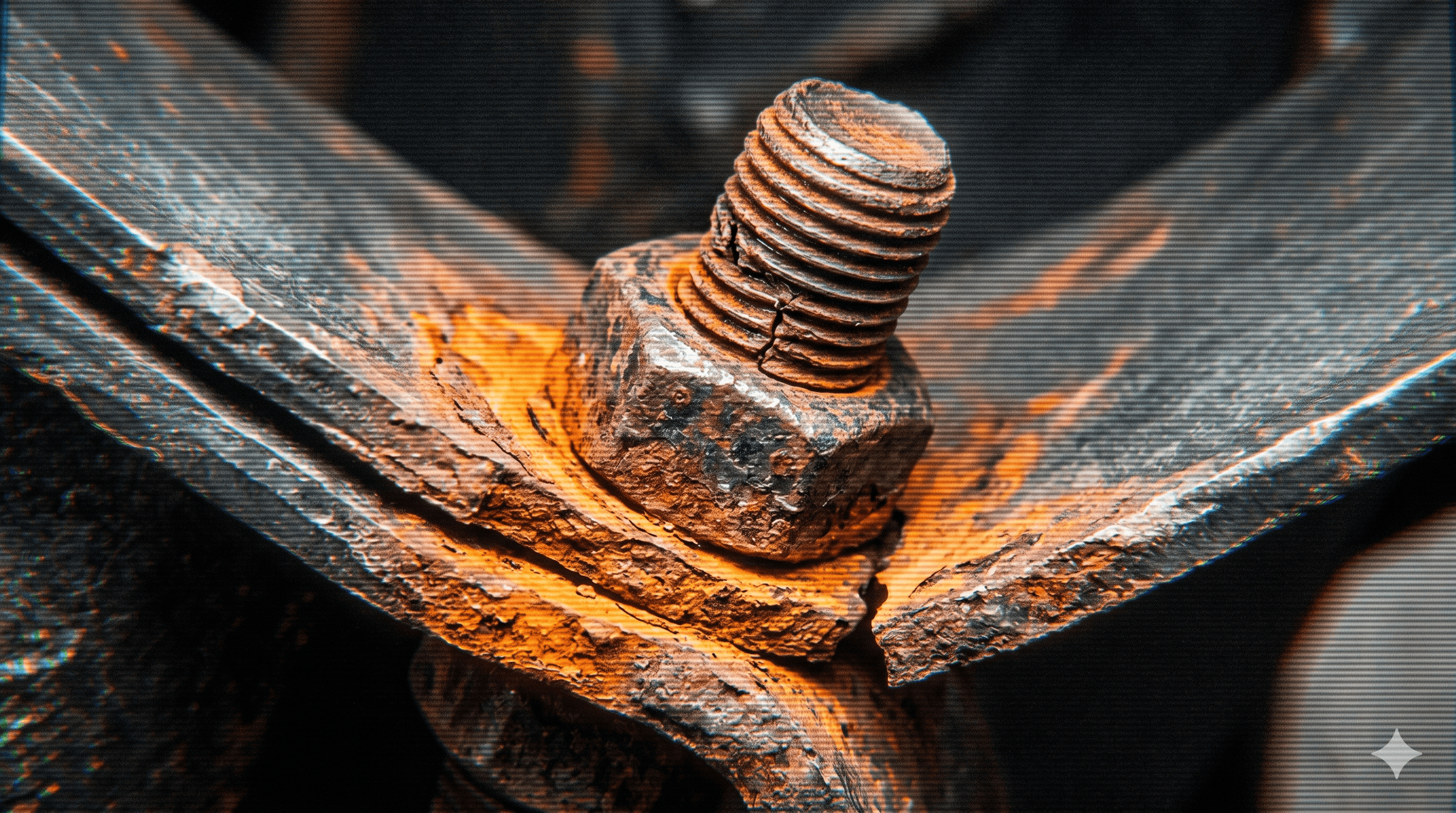
Wait until the workflow is obviously broken before fixing it. It sounds like discipline. Why change anything while the team is still shipping? Why add a tool while people are coping? Why touch documentation, follow-up, and handoffs before they're a visible problem?
The catch is that process drag never announces itself all at once. It compounds quietly. One extra follow-up after a planning meeting. Then a few tickets that need clarification. Then a decision reopened because the rationale was never captured. Then a customer insight that slips away. Then leadership asking for yet another update because the status is murky. No single moment feels like a failure - but together they add up to a team that always feels a step behind. Every step made sense on its own: the meeting, the recap, the doc, the update, the clarification thread all made sense. The total system was simply too heavy. Death by reasonable process.
This is what buyers underestimate: a broken workflow rarely looks broken from the outside. It looks like packed calendars, PMs writing docs at 10pm, engineers asking for context in Slack, managers reconstructing status from memory, the same decision resurfacing in three meetings because no one quite trusted the last one. There's no single broken process - there are a hundred tiny leaks.
This isn't the cost of doing business. It's process debt - and like technical debt, it gets more expensive the longer you ignore it.
That's the right way to see it. The early signs are easy to wave off: a vague ticket, a late follow-up, a decision that has to be re-explained, a roadmap update that takes too long to assemble, a customer call that produces real insight but no usable artifact. A team can absorb any one of those. At scale, they stop being friction around the work and quietly become the work - the team spending more energy maintaining the process than moving the product.
So the question isn't whether to fix it, but when. And the answer is earlier than most teams act. Not in the crisis - before it. While meetings are still useful but the work after them keeps growing. While documentation exists but people still ask for context. While follow-ups still happen, but only because someone is manually chasing every loose end. That's the window most buyers miss, usually because the payoff is invisible until they see it: you don't realize how much time you were losing until the first draft of the work is simply already there.
The best teams don't wait for the workflow to collapse; they pull the drag out while they still have momentum. Meetings, documentation, and follow-up aren't going anywhere - but they shouldn't quietly consume the people doing the actual work. The goal was never to rescue a broken process. It's to keep the process from becoming the work in the first place. Wait until everyone feels behind, and the cost has already compounded.

Let your meetings finish the work.
Earmark turns conversations into finished work — so the follow-up is already started when the call ends.