Upcoming Releases

Post 2 of 5 — The Handoff series
If you hired a person whose only job was to remember everything - every meeting, every decision, every offhand comment about a feature, every “let’s circle back on that” - and to recall any of it instantly, on demand, you’d pay them a lot of money. Companies do.
That’s the part of Earmark we’re proudest of, and it’s the foundation everything else is built on. Before we can hand work off to your agent, before we can run loops on your behalf, before any of the flashy stuff works, one thing has to be true: the memory has to be excellent.
So let’s talk about the memory.
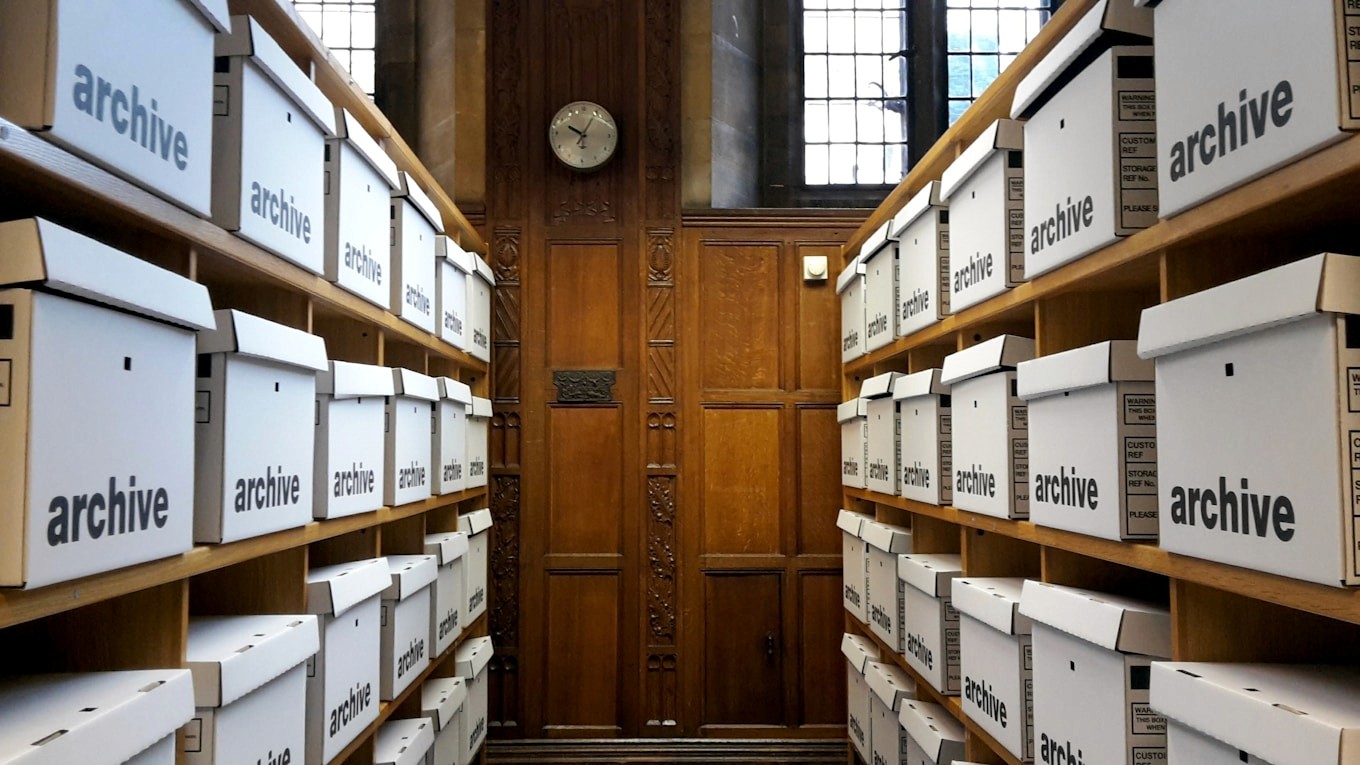
Recall across everything — the meeting that wasn’t filed, the name nobody tagged.
Recall, not just notes
Most meeting tools give you a transcript and a summary, scoped to a single meeting. That’s a filing cabinet. Useful, but you still have to go digging.
Earmark gives you recall across everything. Ask it a question in plain language and it works like a good researcher would - broad first, then narrow:
“What meetings did I have last week?”
It starts with a fast, cheap scan of lightweight metadata - your attended meetings, titles, participants. No need to crack open a single transcript yet.
“What was discussed in the Insta meeting?”
Now it knows which meeting you mean and reads just that one.
“Give me the key quotes.”
Only now does it pull the full transcript, and only for the part you actually care about — the exact quote evidence.
This progressive approach isn’t just elegant; it’s what makes recall fast and accurate. Start broad, start cheap, go deep only when you ask for depth. The alternative - dumping every transcript into context and hoping - is slower, more expensive, and worse.
It finds what isn’t filed
Real memory handles the messy cases. The meeting that wasn’t on your calendar. The person who got mentioned but never showed up in an attendee list. The company name nobody tagged.
“What meetings did I have with ServiceTitan?” - even if “ServiceTitan” lives nowhere as a tidy field, Earmark reasons it out: it checks titles, metadata, the participant list, and even splits attendee emails to match on the domain.
“What was that meeting where Bob came up?” - Bob isn’t in any attendee list, but he was mentioned in a transcript. The ad-hoc hallway sync where you said “hey, what does Bob think?” Earmark finds it.
This is the difference between a search box and a memory. A search box matches strings. A memory understands what you’re actually asking.
Why this is genuinely hard (and why that’s the point)
Good retrieval isn’t a weekend feature you bolt on. Under the hood it’s true agentic search: full-text matching, semantic search for the fuzzy questions (“how can I get better at running my one-on-ones?”), reading artifacts and pins, and a model that knows which tool to reach for and in what order. Order matters - start at the wrong altitude and the answer falls apart.
We’re investing here the way the serious infrastructure companies do, because retrieval isn’t a side feature for us. It’s going to back the chat, the MCP, the handoff, the loops - all of it. It runs constantly. So it has to be best-in-class, not good enough.
Why memory is the whole game
Here’s the thing we keep coming back to from customer conversations: people are afraid of air pockets. Gaps in the record. The decision that happened in a meeting they weren’t in. The context that lives only in someone else’s head.
When you trust that nothing is missing - that the full picture is captured and one question away - your relationship to your own work changes. You stop re-explaining yourself. You stop reconstructing what was decided. You stop worrying about what you forgot.
And it compounds. Generate a brief today and it reflects everything known today. Generate the same brief next month and it’s richer, because the memory kept growing while you were busy. You don’t maintain it. It maintains itself.
This is the difference between a search box and a memory.
That’s the foundation. In the next post: what happens when that memory stops being just yours.
Want early access? waitlist@tryearmark.com.

Let your meetings finish the work.
Earmark turns conversations into finished work — so the follow-up is already started when the call ends.