Beliefs

For most of my career, I’ve worked in and around product and engineering teams, and one pattern has shown up almost everywhere: a group of smart people gets together, spends 30 or 60 minutes working through a difficult problem, makes decisions, changes requirements, surfaces constraints, and agrees on next steps. Then the meeting ends, and everyone goes back to their desk to recreate the work that just happened.
Someone writes the ticket. Someone updates the spec. Someone sends the recap. Someone documents the decision. Someone briefs the people who were not there. The meeting may have been productive, but it also created a second layer of administrative work whose only purpose is to translate the conversation into forms that software and other people can use later.
We have accepted that workflow as normal for a long time. I don’t think it should be.
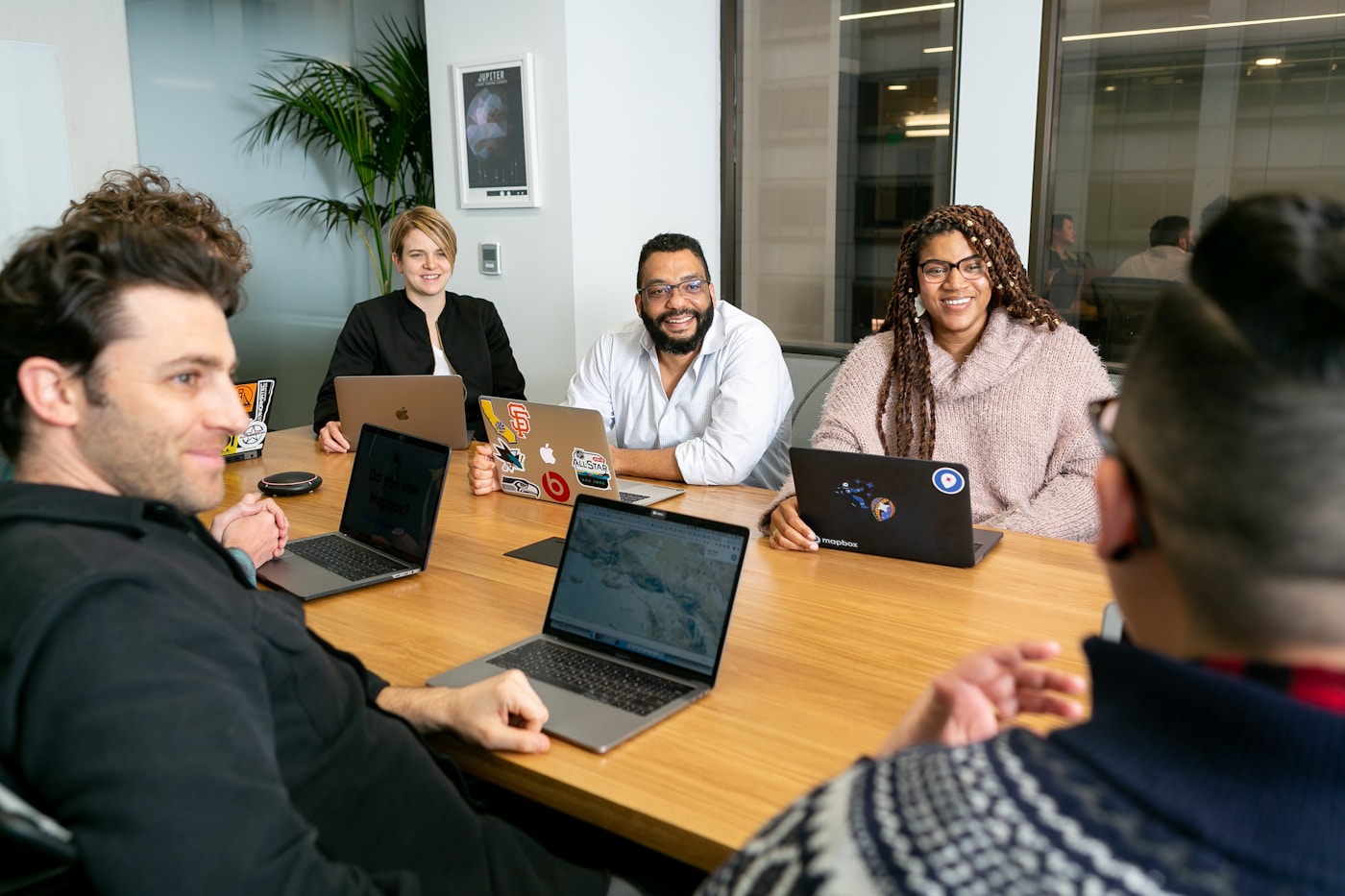
A typical working session: decisions get made in the room, then quietly recreated at everyone’s desk afterward.
AI notetakers solved an important problem, but not the whole problem
The first generation of AI meeting products made meetings dramatically easier to capture. Instead of taking notes manually, teams could record a conversation, generate a transcript, and receive a summary afterward. That was a real improvement, and it removed a lot of low-value effort.
But the underlying workflow stayed almost exactly the same. We still have the meeting, generate a record of what happened, interpret that record, and then go do the actual work. The notes got better, but the post-meeting burden remained.
That distinction became increasingly important to us while building Earmark. If an AI can understand a conversation well enough to summarize it after the meeting, why should it wait until the meeting is over to become useful?
That question changed how we thought about the category.
If an AI can understand a conversation well enough to summarize it afterward, why should it wait until the meeting is over to become useful?
We are applying AI at the wrong moment
A meeting is not simply information being generated for later retrieval. It is work happening in real time. A customer explains why a feature is not working. An engineer identifies a technical constraint. A product manager changes a requirement. A team makes a decision. Someone raises a question that nobody in the room can answer immediately.
Those moments are valuable precisely because they are happening in context. The people involved understand the problem, the tradeoffs are fresh, and the reasoning behind a decision is still visible.
Most meeting AI waits until all of that is over.
We think that is backwards. If AI can understand what is happening while the conversation is happening, it should be able to help move the work forward at that moment. That does not mean constantly interrupting the meeting with suggestions or turning every conversation into an AI spectacle. It means treating the meeting as an active work surface instead of a source of material to process later.
That is the shift we care about most at Earmark.
Treat the meeting as an active work surface — not a source of material to process later.
What if the output of the meeting was the work itself?
Imagine a product meeting where the team is discussing a new feature. As requirements become clear, a working spec takes shape. As implementation details emerge, engineering tickets are drafted. When the team makes a decision, the decision log updates. If someone asks whether customers have raised the same concern before, AI can search previous conversations and surface the relevant context while the discussion is still happening.
By the time the meeting ends, the team does not leave with a transcript and a new list of administrative tasks. Much of the work that normally follows the meeting already exists.
The distinction is subtle but important. The goal is not better documentation about the work. The goal is for the conversation itself to produce usable work.
That is a fundamentally different model from the AI notetaker.
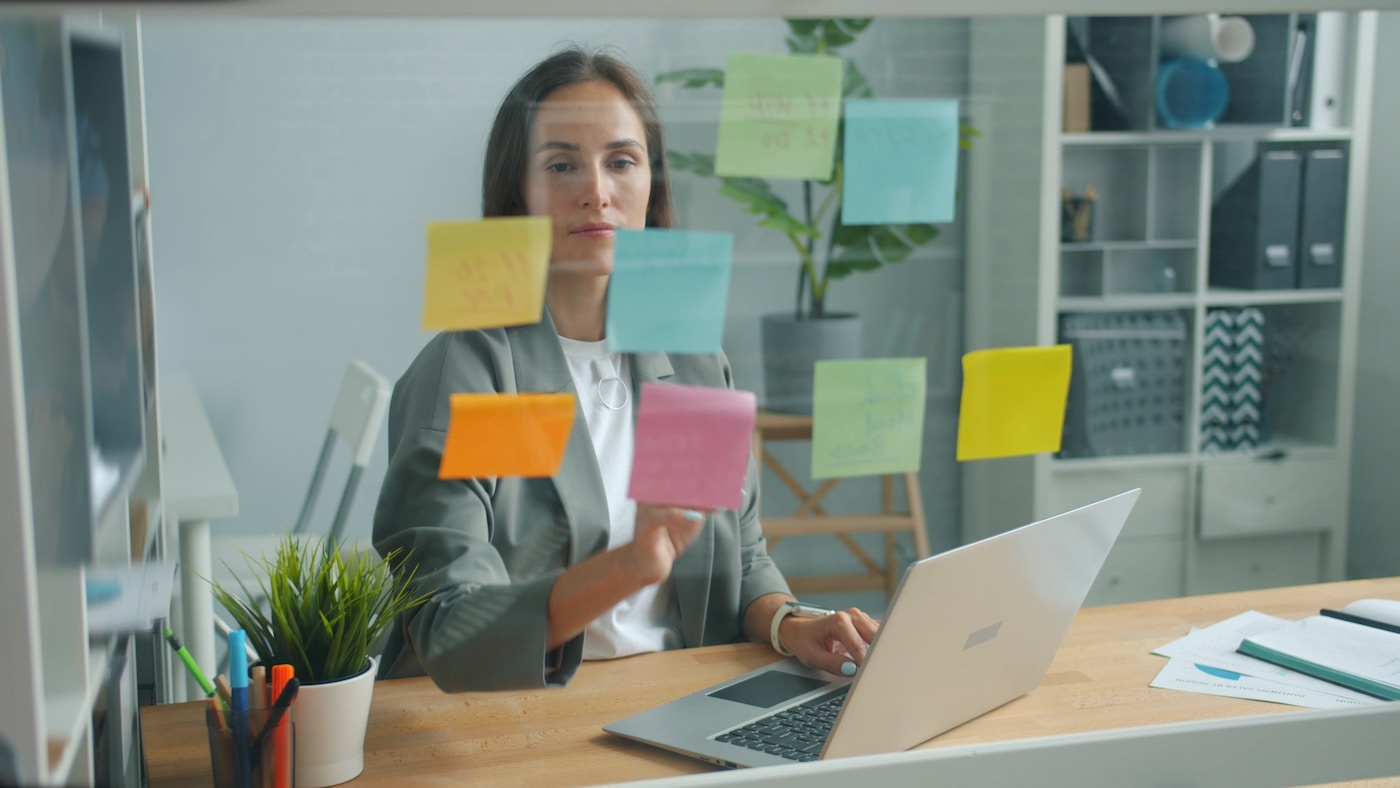
Turning a conversation into tickets, specs, and docs is work most teams still do by hand — after the meeting is over.
Systems of record were designed for a world where software could not understand us
A large amount of knowledge work today consists of translating what humans know into forms that software can store. We have a conversation, then someone writes the outcome into Jira, Notion, Salesforce, a PRD, a status report, or some other system of record. Later, another person tries to reconstruct the original context from those artifacts.
For decades, that workflow made sense because software could not understand the messy human conversation that produced the information. Humans had to act as the translation layer between what happened and the systems that recorded it.
AI changes that constraint.
If software can understand the conversation itself, humans should not have to stop working in order to explain the work to software afterward. The system can increasingly observe the work as it happens, understand what matters, and turn that understanding into something useful.
This is why I think the more interesting shift in enterprise AI is not simply from manual work to automated work. It is from systems of record to systems of action.
The system of record tells you what happened. The system of action helps move the work forward.
The future of meetings is not better notes
AI notetakers are an important step in the evolution of this category, but I do not think notes are the destination. The larger opportunity is AI that participates in the workflow itself.
That participation should be subtle. The best version of this future is not a meeting filled with bots, constant notifications, or AI trying to dominate the conversation. In many cases, the best AI will be almost invisible. It will understand enough context to help when help is useful, create what needs to be created, retrieve what needs to be known, and otherwise stay out of the way.
The meeting should still feel like a conversation between people. What should disappear is the administrative work surrounding that conversation.
That is the idea we keep coming back to at Earmark: meetings should not create more work. They should be where work gets done.
The future isn’t better meeting notes. It’s AI that participates in the work itself.
We are starting with product teams because the problem is especially visible there. Product managers spend much of their day moving between conversations and the artifacts those conversations produce: requirements, tickets, decisions, research, updates, and plans. But the underlying idea is broader than product management.
As AI becomes capable of understanding work while it happens, more software will stop waiting for humans to manually translate their intent into systems after the fact. Instead, software will increasingly work alongside people in real time.
That is a much more interesting future than better meeting notes.
And once you see meetings that way, making AI wait until the meeting is over starts to feel like an increasingly strange design choice.

Let your meetings finish the work.
Earmark turns conversations into finished work — so the follow-up is already started when the call ends.