
Start Where It Hurts Most
Jan 7, 2026
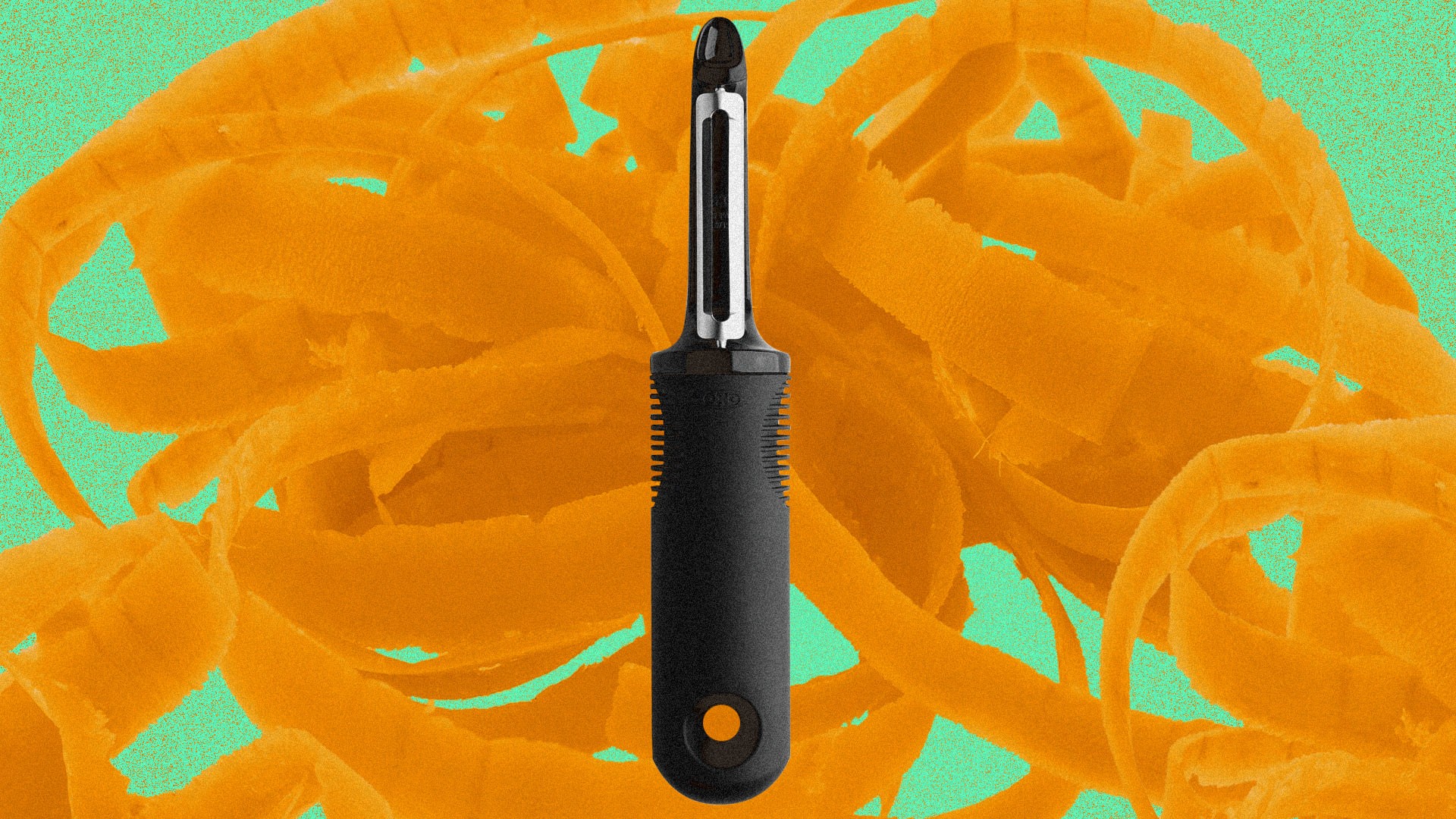
There’s a moment in design documentary Objectified I've kept coming back to in my career: a designer gets a late-night call from a friend who’s so excited he can’t sleep. Not because of some big launch - because he watched his wife struggle to peel apples. The peeler was hurting her hand. She had arthritis and couldn’t keep a comfortable grip. That tiny frustration turns into a bigger insight: stop designing for the “average user.” If you design for the extremes, where the pain is real and the constraints are unforgiving, the solution usually gets better for everyone.
These industrial designers don’t start with demographics or personas. They study where the pressure lands, where friction builds, what makes the tool slip, what forces your hand to squeeze harder than it should. They iterate on handle size and shape, they prototype constantly, and eventually the fix is almost embarrassingly simple: make the handle bigger and easier to hold, reduce the force needed, and the problem disappears. Great design shows up as less effort in everyday life.
That’s how Earmark started. We chose product managers as our “extreme” user - not because they’re niche, but because they sit at the pressure points of modern knowledge work. PMs live in constant context switching. They’re in meetings all day, translating conversation into decisions, tickets, docs, updates, alignment, follow-ups - then doing a second shift after the meeting to clean everything up. And they’re ruthless about tools: if something feels like “one more thing” or adds even a few minutes of friction, they drop it.
So we made a bet: if we could build something a PM would actually keep using, it would probably work for everyone else too. We didn’t want to ship “better notes.” Notes are just another artifact you have to process. We wanted to reduce force - to take the same meeting and make it produce finished work: decisions with owners, action items with deadlines, clean summaries for stakeholders, and shippable tickets that don’t require an hour of rewrite.
And then the same thing happened that always happens when you design from the hard end. Product teams pulled in the people around them. CS, ops, engineering leaders, and execs because the underlying pain wasn’t “product work.” It was meeting churn and context loss. The extremes just feel it first. Start there, and you earn something ergonomic enough to fit a lot more hands.